
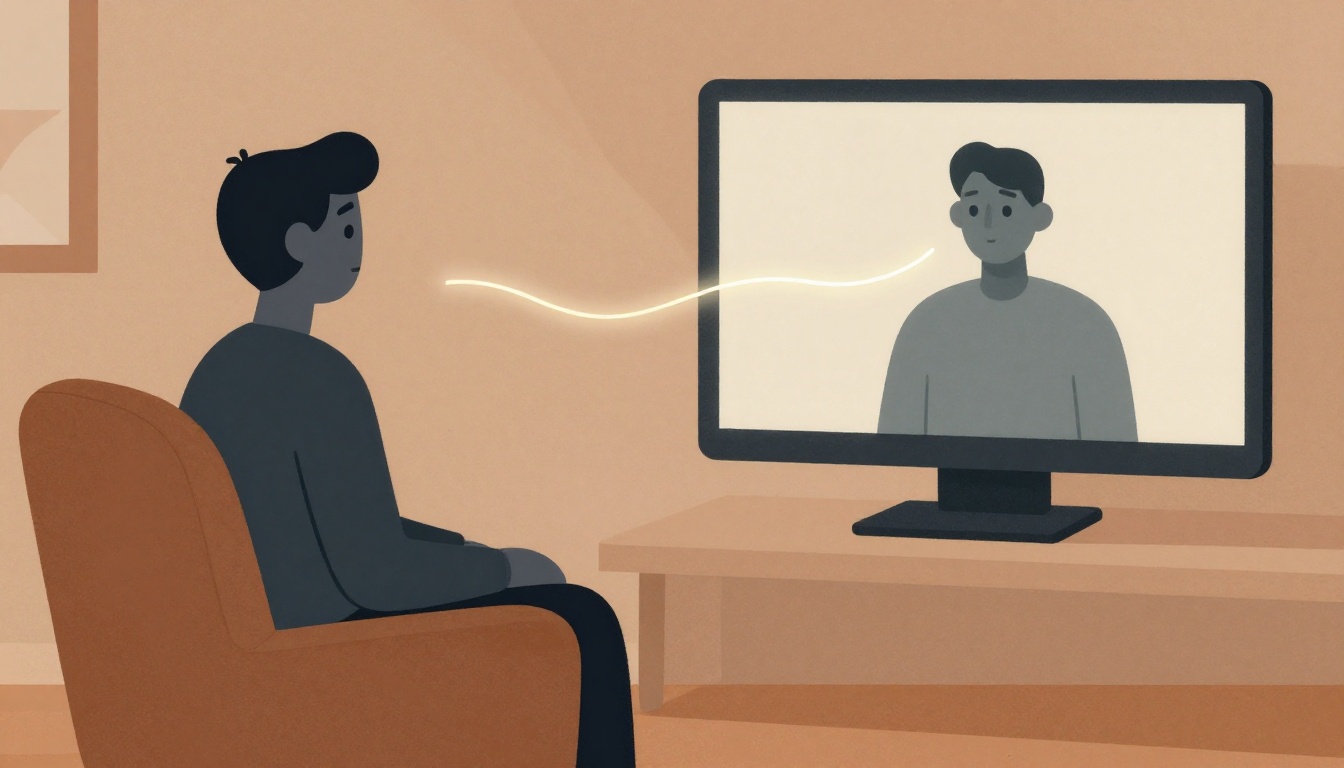
According to research, how does online therapy compare to in-person therapy for treating depression?
Select one answer.
Comparing online vs in-person therapy effectiveness
If you're trying to decide between online and in-person therapy, you're not alone. The rapid expansion of telehealth has made this a common question. The good news is that research consistently shows both formats can be highly effective. The key is understanding how they compare so you can choose the option that best fits your life and therapeutic goals.
What the research says about effectiveness
Multiple studies have found that online therapy produces outcomes comparable to in-person treatment for a range of conditions. A 2021 meta-analysis published in Clinical Psychology Review examined 57 empirical studies and concluded that videoconferencing therapy was equivalent to face-to-face care Wilson College. Similarly, a 2022 systematic review in JAMA Psychiatry found no significant differences between telehealth and in-person groups in depressive symptom reduction PMC.
For anxiety, depression, and stress-related disorders, cognitive behavioral therapy (CBT) has shown strong results in both online and in-person formats Contemporary Behavioral Therapy. Patient satisfaction is also high across both modalities, with many clients reporting they feel equally supported.
Key differences to consider
While effectiveness is similar, the experience can differ in important ways:
- Therapeutic alliance: Some research suggests the connection between therapist and client may be slightly different online. A 2025 study noted that the therapeutic alliance may be less directly associated with outcomes in digital interventions compared to in-person therapy PMC. However, many clients still build strong, effective relationships with their therapists online.
- Nonverbal cues: In-person sessions allow therapists to observe body language and subtle behaviors that can enhance care. Some clinicians report that these cues, which are harder to detect on screen, can improve treatment Psychology Today.
- Access and convenience: Online therapy reduces barriers like travel time, geographic limitations, and scheduling conflicts. It also expands your choice of therapists, which can be especially valuable if you live in a rural area or need a specialist Psychology.org.
- Privacy and environment: In-person therapy offers a controlled, private setting. Online therapy requires you to have a quiet, confidential space at home.
How to choose what's right for you
Consider these factors when making your decision:
- Your condition and treatment needs: For common issues like anxiety and depression, both formats work well. For complex trauma or treatments that benefit from physical presence (such as EMDR), in-person may be preferable.
- Your schedule and lifestyle: If you have a busy schedule, limited mobility, or caregiving responsibilities, online therapy offers flexibility.
- Your comfort with technology: Reliable internet and a private space are essential for online therapy.
- The therapeutic relationship: The quality of the connection with your therapist matters more than the format. Prioritize finding a provider you trust.
Practical steps to get started
- Identify your goals: What do you want to work on? This will help you and your therapist decide which format suits you.
- Research providers: Look for licensed therapists who offer the format you prefer. Many now offer both options.
- Try a session: Some people find that a single session in each format helps clarify their preference.
- Reassess regularly: Your needs may change over time. It's okay to switch formats as your circumstances evolve.
How the Featured Expert Can Help
If you're still unsure which format is right for you, a consultation with a qualified professional can provide clarity. Taylor Integrated Therapy PLLC, based in Ann Arbor, Michigan, offers psychotherapy, coaching, and consultation with a focus on complex and underrepresented clinical spaces. Their evidence-based, values-driven approach can help you navigate this decision. Learn more at taylorintegratedtherapy.com.